Entry · Ref P9IRCHQ9
Joe's Place Caring Cottage: A Closer Look at Small-Scale, Family-Focused Memory Care in St. Louis
- Posted
- 2026-10-07
- Last amended
- 2026-10-07
- Account
- @ckgz75nt2m
Why Cottage-Style Homes Are Gaining Attention in Senior Care
When families start looking into assisted living or memory care for a loved one, the options can feel overwhelming. Large campuses with hundreds of residents may offer many amenities, but they often lack the personal touch that makes a place feel like home. In the St. Louis metro area, a quieter trend has been gaining traction: small-scale, cottage-style homes that prioritize person-centered care and transparency. These facilities, like Joe's Place Caring Cottage, aim to create a setting where residents truly belong.
My own experience helping a relative navigate memory care in Missouri taught me that the size of a facility matters deeply. In a large building, my aunt felt lost. Staff turnover was high, and it was hard to get straight answers about daily life. When we moved her to a smaller home with fewer residents, the difference was immediate. She recognized caregivers by name, ate meals at a shared table, and spent afternoons in a garden. That is the kind of environment that many St. Louis families are now seeking, and it is the model that places like Joe's Place Caring Cottage are built around.
What Defines a Cottage-Style Memory Care Home
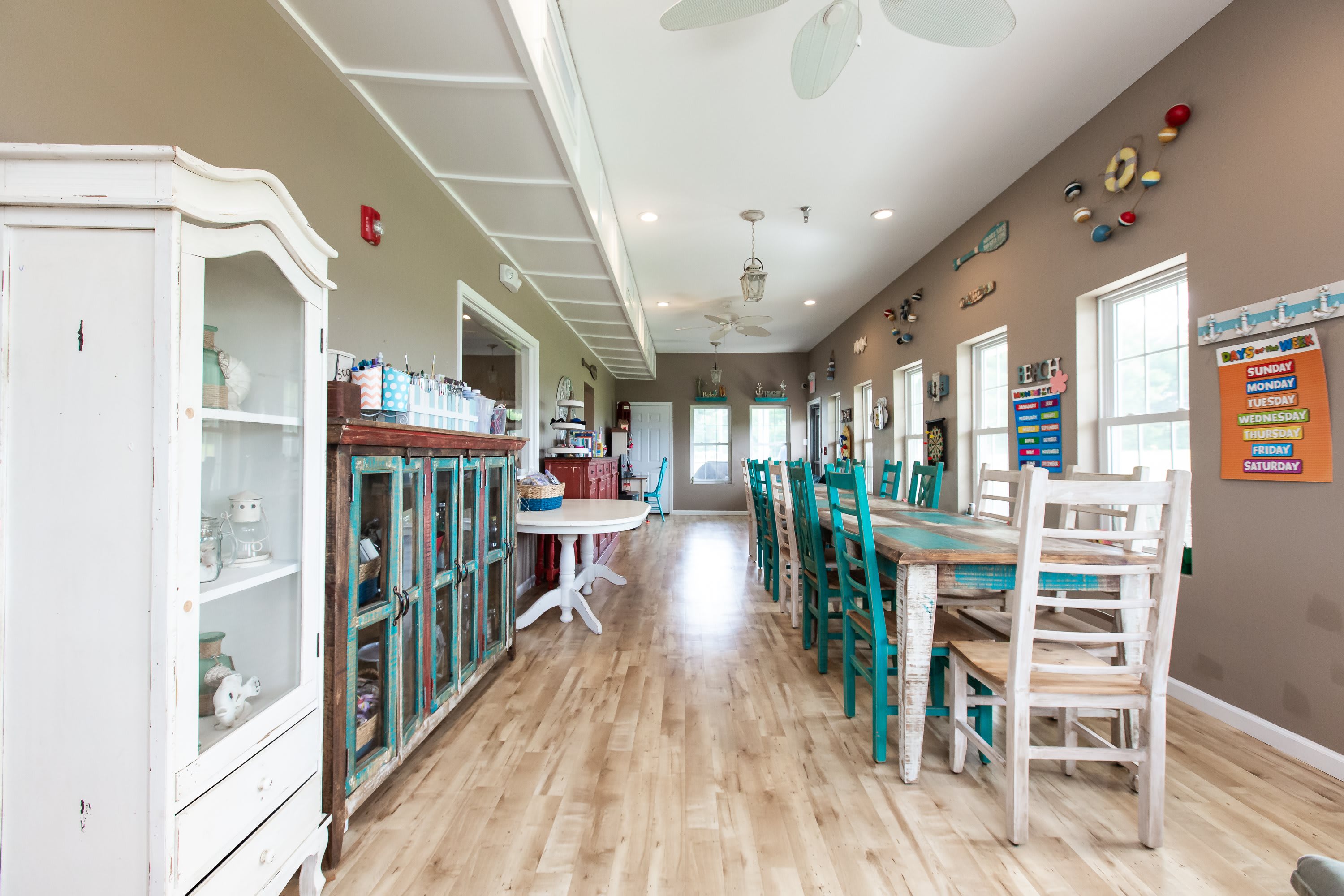
Cottage-style homes are typically residential houses converted into licensed care settings. They usually serve between six and twelve residents, which allows staff to build real relationships with each person. In memory care, this low resident-to-staff ratio is especially valuable. People living with dementia often need routines, familiar faces, and calm surroundings. A large institutional setting can overstimulate them, while a small house with a kitchen, living room, and private bedrooms feels safer.
These homes also emphasize family-focused care. That means relatives are not just visitors. They are partners in care planning. Many cottage-style homes hold regular family meetings, share updates through simple daily notes, and encourage participation in activities. For a son or daughter caring for a parent with Alzheimer's, that level of involvement can reduce stress and build trust. It also aligns with the core values of the Alzheimer's Association, which stresses the importance of consistent, compassionate support for both the person with dementia and their caregivers.

Transparency in Assisted Living and Memory Care
One of the hardest parts of choosing a senior living option is getting clear information. Pricing is often opaque. Staff qualifications can be vague. And the day-to-day reality for residents may look very different from the glossy brochure. That is why transparency has become a key priority for families in the St. Louis area. They want to know exactly what services are included, how much they cost, and who will be caring for their loved one.
Small-scale facilities are often better positioned to offer this kind of openness. With fewer residents, there is less bureaucracy. The owner or director is likely to be on-site regularly, and families can drop in without an appointment. Some homes, like those listed in a local directory, even publish their inspection reports and staffing ratios online. This level of transparency helps families make informed decisions, especially when a loved one needs memory care and the stakes feel high.
Resources like the National Institute on Aging and the Elder Care Locator can help families understand what to ask during a tour. But nothing replaces the peace of mind that comes from visiting a home and seeing firsthand how staff interact with residents. In a cottage-style home, you might walk in and find residents helping fold laundry, or sitting together on a porch. That is the kind of detail that tells you more than any marketing material ever could.
Memory Care Beyond the Basics
Memory care involves more than just supervision. It requires trained staff who understand dementia and can adapt activities to each individual's abilities. Many small homes incorporate principles from the National Institute on Aging's research on cognitive stimulation. They offer structured routines, meaningful tasks, and opportunities for social connection. For someone in the early stages of dementia, this can slow decline and improve quality of life.
Respite care is another service that families often overlook. A cottage-style home may offer short stays, giving primary caregivers a break while their loved one receives professional support. This can be a lifeline for a spouse who has been providing care around the clock. It also gives the person with dementia a chance to adjust to a new setting gradually, which is often easier than a sudden move.
Skilled nursing is rarely available in a small home, but that is by design. These facilities focus on assisted living and memory care, not medical treatment. If a resident's health needs change, the home coordinates with outside providers. This arrangement keeps the environment less clinical and more residential, which many families prefer.

How to Find the Right Fit in St. Louis
The St. Louis metro area has a growing number of small-scale, family-focused care options. But finding them takes some legwork. A local directory can be a good starting point. It lets you filter by services, location, and size. You can also check with the Missouri Department of Health and Senior Services for licensing records and complaint histories.
When you tour a home, bring a list of questions. Ask about staff training in dementia care. Ask how they handle nighttime wandering or refusal to eat. Ask about their philosophy on aging in place and what happens if a resident needs more help later. And above all, pay attention to how you feel when you walk through the door. Does it smell clean but not sterile? Do the caregivers look calm and engaged? Are residents up and moving, or are they all parked in front of a television?
I remember visiting a small memory care home in a quiet St. Louis neighborhood. The director remembered my name when I called to schedule the tour. When we arrived, a caregiver was helping a resident water plants on the front porch. Inside, the kitchen smelled like baking bread. It felt like a home, not an institution. That is the kind of environment that can truly support someone living with dementia, and it is exactly what the cottage-style model is meant to provide.
The Role of Medicare and Other Resources
Medicare does not typically cover long-term assisted living or memory care, but it can help with certain medical costs while a person is in a facility. Some families use long-term care insurance or private funds. Others qualify for Medicaid through Missouri's programs. The Caregiver Action Network offers guidance on navigating these financial questions, and the Elder Care Locator can connect you with local agencies that provide free counseling.
Regardless of how you pay, the goal is to find a place where your loved one will be treated with dignity and respect. That means a place where staff know each resident's history, preferences, and quirks. A place where the food is good, the doors are safe, and the days have rhythm. For many families in the St. Louis area, Joe's Place Caring Cottage represents exactly that kind of setting. It is a small, family-run home that puts relationships ahead of profits, and that makes all the difference.
Looking Ahead: The Future of Memory Care in Missouri
The demand for dementia-specific housing will only grow as the population ages. More families are rejecting the one-size-fits-all model and seeking out smaller, more personal options. Cottage-style homes are not right for everyone. Some people need the medical infrastructure of a larger campus. But for those who value intimacy, consistency, and a homelike atmosphere, the small-scale model is a powerful alternative.
As this sector expands, transparency will remain critical. Families need honest information about staffing, costs, and daily life. They need to know that the home they choose will be there for the long haul. That is why local directories and community networks are so valuable. They help families find the hidden gems, the places that do not have big marketing budgets but do have big hearts.
Whether you are just beginning your search or you are evaluating a specific home like Joe's Place Caring Cottage, take your time. Visit more than once. Talk to other families. Trust your instincts. The right environment can help your loved one live well, even in the face of memory loss. And that is something every family deserves.